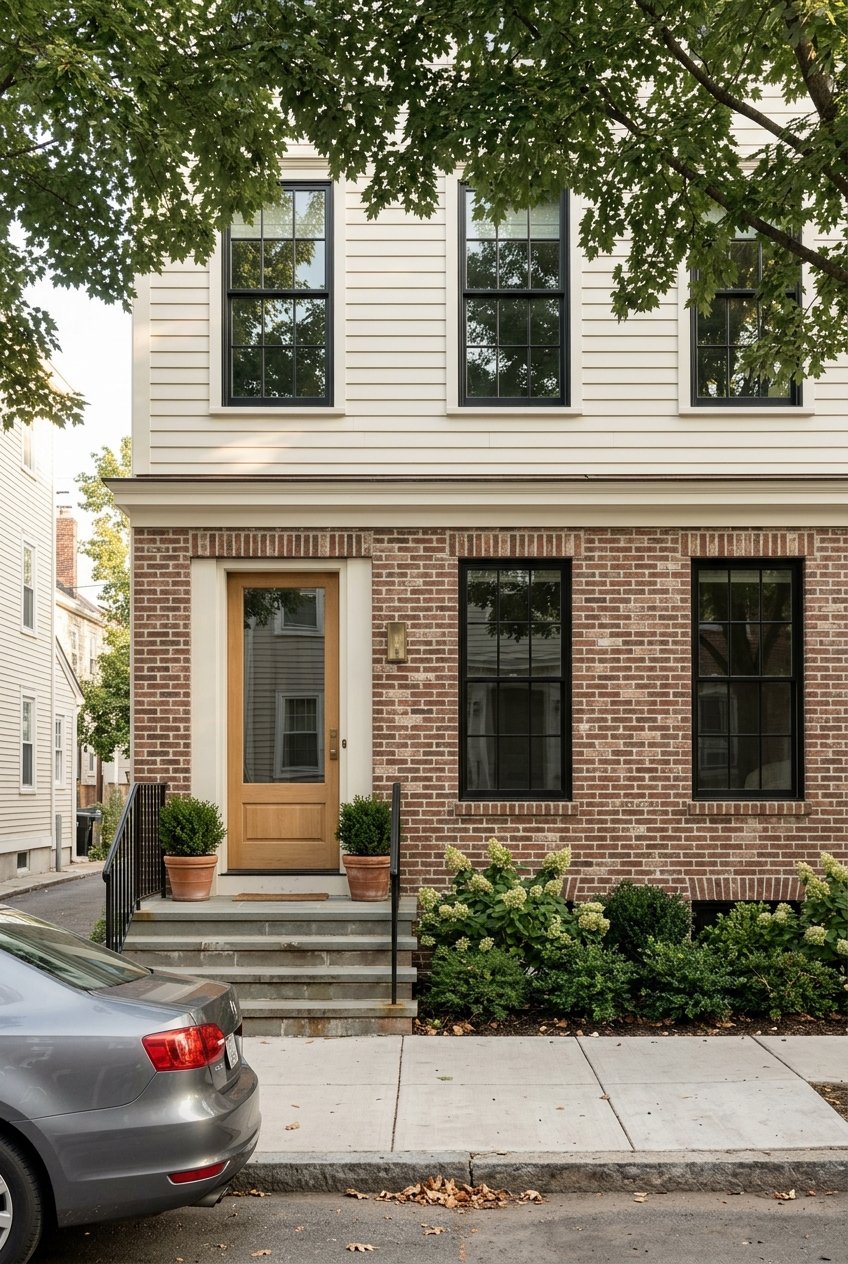
Beacon NY Main Street and Waterfront Lifestyle Guide
July 23, 2026
July 23, 2026
If you are drawn to Beacon for its energy, scenery, and small-city feel, two areas usually stand out fast: Main Street and the waterfront. They offer different experiences, but together they help explain why Beacon feels so easy to enjoy day to day. If you are thinking about moving here, visiting homes, or simply getting to know the city better, this guide will help you picture how these districts connect and what living near them can actually feel like. Let’s dive in.
Beacon is often talked about as one place, but the city works best when you understand it in parts. Main Street serves as the downtown core, while the waterfront unfolds in a series of riverfront districts rather than one continuous promenade.
That distinction matters when you are choosing a home or evaluating lifestyle fit. You can enjoy access to both areas, but the connection between them is not perfectly seamless in every block or on every route.
City materials describe Main Street as more than a mile long and lined with dozens of shops, restaurants, and services. It is widely seen as the heart of Beacon, and that shows up in how people use it for everyday errands, casual meals, and weekend outings.
For buyers, this part of Beacon often represents the most walkable experience in the city. If you want a place where you can step out for coffee, browse a shop, or meet friends for dinner without a long drive, Main Street is a big part of that appeal.
Main Street is not just a destination for visitors. It functions as an everyday corridor where dining, retail, and services sit close together, which can make routines feel more convenient and connected.
That said, access is still an active local topic. City planning materials note that parking, traffic, transit, and pedestrian access all continue to shape the downtown experience, so it is smart to think about convenience in practical terms, not just postcard terms.
Beacon planning documents point to the downtown core as the city’s strongest walkable area. That can be especially helpful if you are hoping to reduce car trips for some parts of your week.
When clients explore Beacon, this is often the lifestyle piece they respond to most. The ability to combine errands, dining, and casual time out in one compact area gives downtown a rhythm that feels easy to settle into.
Beacon’s identity is closely tied to the arts, and that influence is especially visible between the station area and downtown. Dia Beacon, located at 3 Beekman Street beside the Beacon train station in a former Nabisco box-printing factory, is one of the city’s best-known cultural anchors.
The city also highlights BeaconArts, the Howland Cultural Center, and the Beacon Art Walk as part of the local arts picture. Together, these spaces help give Beacon a creative feel that goes beyond one museum or one event.
Dia notes that its Beacon location helped transform the city into a vibrant arts destination. For you as a buyer or future resident, that means the station area is not just about commuting. It is also part of the cultural and lifestyle fabric of the city.
This matters because the station-adjacent area helps bridge regional access and local experience. You can arrive by train and step into a part of Beacon that already feels active and connected to the rest of your day.
One of Beacon’s strengths is that food, arts, and outdoor access often sit within the same small-city pattern. Main Street’s eateries and shops are part of that mix, and the waterfront adds casual options of its own.
Long Dock Park planning materials describe food-truck facilities and a shaded plaza for informal dining at the riverfront. That gives you a flexible lifestyle option, whether you want a sit-down meal downtown or something simple after time outside.
When you are choosing where to live, lifestyle is often about how easily pieces of your week fit together. In Beacon, you can often pair errands, a gallery stop, a walk, and a meal without feeling like you are crossing a huge geographic area.
That does not mean every destination is steps from every other one. It means the city offers a compact loop of experiences that many buyers find appealing once they spend real time here.
The waterfront is not one long, uninterrupted boardwalk experience. Beacon’s waterfront plan divides the shoreline into three reaches: the northern reach, Beacon Harbor around Riverfront Park and Long Dock, and the southern reach toward Denning’s Point.
This is helpful context if you are exploring homes and trying to picture how the riverfront functions. Different sections support different kinds of use, and the overall waterfront experience feels varied rather than uniform.
Scenic Hudson describes Long Dock Park as a 19-acre riverfront destination with kayak and canoe access, waterside trails, rehabilitated wetlands and meadows, a fishing pier, and a River Center that hosts arts and environmental education activities.
In season, Hudson River Expeditions offers kayak and paddleboard rentals there. For many buyers, this is one of Beacon’s signature lifestyle features because it brings direct water access into everyday life.
The city describes Pete and Toshi Seeger Riverfront Park as a 10-acre active recreation site with summer events. That gives the waterfront a more social and community-oriented side in addition to its scenic value.
City park listings also include River Front Park, Green Street Park, and South Avenue Park. These spaces add more layers to outdoor life and show that Beacon’s open-space story is not limited to one headline park.
Beacon’s appeal is not only about the river. Scenic Hudson describes Mount Beacon Park as a steep but manageable hike that follows the former Beacon Incline Railway, with observation platforms and a fire tower offering broad views of the Hudson Highlands and Catskills.
For buyers comparing Hudson Valley locations, that combination can stand out. You have riverfront parks on one side of the lifestyle equation and a notable in-town hike on the other.
If you are looking beyond Beacon’s in-town outdoor options, it is worth knowing that Breakneck Ridge, other nearby area trails, and the adjacent Metro-North station closed on April 21, 2025 for a two-year period related to the Hudson Highlands Fjord Trail’s Breakneck Connector and Bridge project.
According to New York State Parks, the broader 7.5-mile Fjord Trail is intended to connect Beacon and Cold Spring while improving safety and managing visitation. For now, that means your outdoor plans may be more centered on Beacon’s own parks and trail options during the project period.
One of the most important things to understand about Beacon is that downtown and the waterfront are connected, but not perfectly stitched together for every pedestrian trip. The city’s comprehensive plan says pedestrian links between Main Street and the waterfront are not especially strong because of topography and train-station parking lots.
There is a pedestrian underpass between the waterfront and station area, which helps. Still, if you are choosing a neighborhood based on walkability, it is worth experiencing these routes in person so your expectations match your daily habits.
Beacon offers several transportation options that support movement within the city and beyond it. Beacon station sits on Metro-North’s Hudson Line, and the city says the G Bus begins and ends at the station with stops along Main Street and elsewhere in town.
Dia also notes that the Beacon Free Loop bus connects the train station, Dia Beacon, Main Street, and Mount Beacon. Together, those options support a car-light lifestyle, especially around the downtown, station, and arts core.
Regional connectivity is another part of Beacon’s appeal. MTA program documents list the Newburgh-Beacon Ferry as a Metro-North connection serving Beacon station, with weekday peak-period service that helps reduce parking demand and bridge congestion.
For some buyers, that kind of layered mobility matters almost as much as the home itself. Rail, ferry, local bus, and the free loop all add flexibility to daily routines and commuting patterns.
If you are exploring Beacon real estate, it helps to think less in terms of one perfect district and more in terms of which lifestyle pattern fits you best. Some buyers want to be closer to the energy of Main Street. Others care more about quick access to parks, water, or the station.
The right fit often comes down to your routine. If your ideal week includes dining out, browsing downtown, and doing daily errands on foot, Main Street proximity may rise to the top. If you picture time by the river or regular outdoor recreation, the waterfront side of Beacon may deserve a closer look.
Before you narrow your search, consider a few practical questions:
These are the kinds of questions that can make your home search more focused. They also help you compare Beacon with other Hudson Valley towns in a more realistic way.
Beacon stands out because it blends a compact downtown, a station-area arts core, and a varied waterfront into one small city experience. You are not choosing between culture and outdoor access here. In many ways, you get both.
The key is understanding how the pieces fit together in real life. Main Street brings the strongest walkability. The waterfront brings variety and recreation. The transit network helps tie major destinations together, even if some on-foot connections take more planning than buyers first expect.
If you want help sorting through Beacon neighborhoods, comparing lifestyle tradeoffs, or finding the right home in Dutchess County, The Live Upstate Team is here to offer clear, local guidance every step of the way.
Stay up to date on the latest real estate trends.




When you work with our team, you gain strategic marketing, skilled negotiation, and dedicated support from listing to closing. We’re committed to delivering a smooth, successful experience tailored to your goals.