Cornwall-on-Hudson Village Taxes vs the Town of Cornwall
August 20, 2026
August 20, 2026
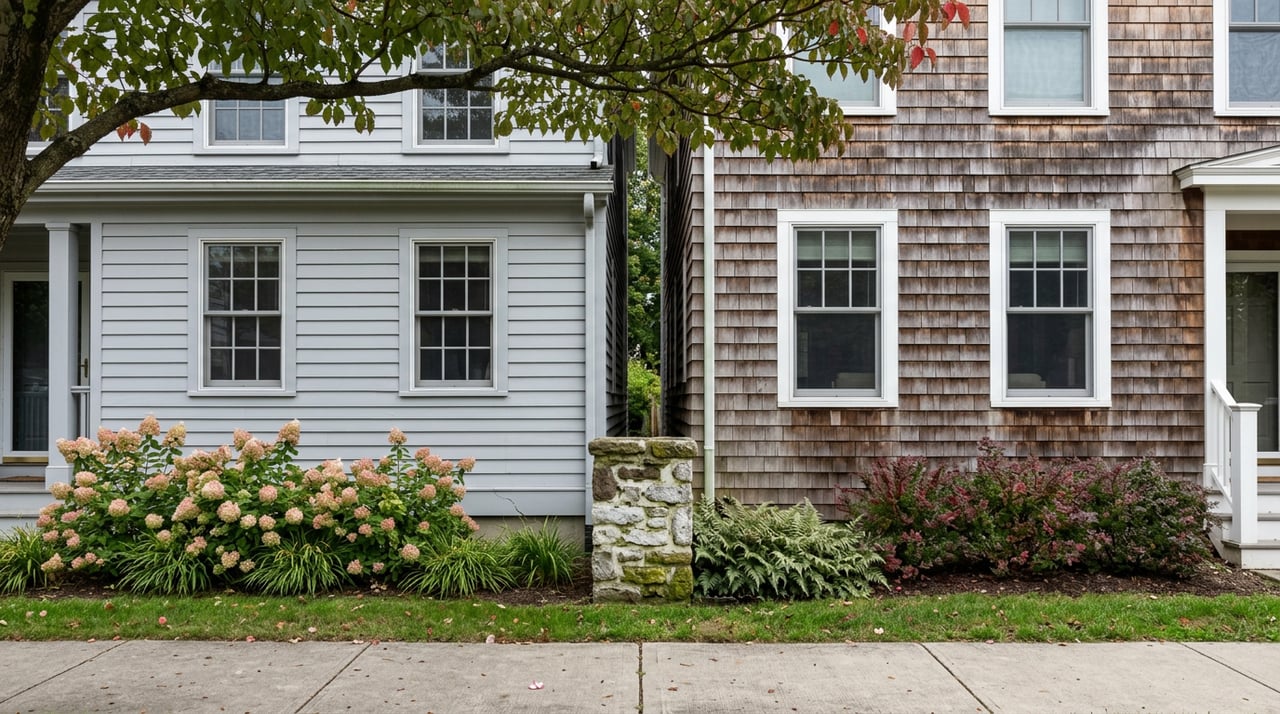
Two houses go under contract in Cornwall within the same month, priced within a few thousand dollars of each other. Weeks later, the buyers compare notes at a block party and discover their tax bills don't match at all, and neither does the government sending them. One owner calls the Cornwall-on-Hudson Police Department if there's a problem on the street. The other calls the Orange County Sheriff. One owner's tax bill lands in a March envelope. The other's doesn't show up until later in the year. The homes' locations determine which government applies.
The difference isn't about the homes' prices or physical features. It has to do with the boundary of the incorporated Village of Cornwall-on-Hudson, sitting inside the larger Town of Cornwall in Orange County. Buyers comparing Cornwall listings should distinguish the village from the unincorporated town, and the village just made a decision that changes how its own residents' assessments are handled.
A listing may describe a house as "in Cornwall." What that doesn't tell you is whether the parcel sits inside the incorporated Village of Cornwall-on-Hudson or in the unincorporated part of the Town of Cornwall outside village limits. Both areas share a name, a general zip code, and a lot of the same scenery along the Hudson. They do not share a government.
The Village of Cornwall-on-Hudson has its own Board of Trustees, its own local laws, and its own departments. The Town of Cornwall has a separate town board and its own set of services for everyone living outside the village line. A buyer moving from a place where "village" is just a marketing word for a walkable downtown can miss that this is a legal distinction with real operational consequences, not a branding choice.
Inside the village line, several services come from the village government directly rather than from the town or county. The Village of Cornwall-on-Hudson operates its own police department out of 325 Hudson Street, separate from Orange County's broader coverage. It runs its own Department of Public Works out of a facility on Shore Road, handling roads, snow, and infrastructure within village boundaries. It also maintains its own five-member Zoning Board of Appeals, and village code requires every member of that board to actually live in the village, not just work nearby.
None of that is unusual for an incorporated village in New York. The village also changed how property assessments are handled.
In February 2025, the Village of Cornwall-on-Hudson passed Local Law No. 6-2025, using its authority under New York's Real Property Tax Law to voluntarily give up its status as its own assessing unit. The law abolished the position of Village Assessor and abolished the Village's own Board of Assessment Review. From that point forward, village taxes are calculated using the Town of Cornwall's assessment roll instead of a village-specific one.
The village kept its police cars, its DPW trucks, and its own zoning board.
For buyers, those local services are one part of comparing homes on either side of the village line.
Here's where it gets interesting for anyone actually comparing two homes. Property tax data platform Ownwell reports a median effective property tax rate of 3.01 percent for homes inside the Village of Cornwall-on-Hudson, compared with 2.73 percent across the Town of Cornwall as a whole. At the same time, the median annual tax bill in the village runs about $11,038, almost identical to the roughly $11,033 median bill townwide.
Sit with that for a second. A meaningfully higher rate producing almost the same dollar amount only makes sense if the typical home being taxed is worth less inside the village than the typical home across the broader town. In other words, the sticker shock isn't really about the village charging more. It's about village housing stock skewing toward smaller, older, or lower-assessed homes, so a higher rate lands on a lower base and comes out close to even with the town's number. A buyer who only asks "what's the tax rate" without asking "compared to what home value" is comparing two different denominators without knowing it.
| Village of Cornwall-on-Hudson | Town of Cornwall (overall) | |
|---|---|---|
| Median effective tax rate | 3.01% | 2.73% |
| Median annual tax bill | about $11,038 | about $11,033 |
| Assessing authority | Town of Cornwall's roll (since Local Law No. 6-2025) | Town of Cornwall |
| Local police department | Village-run | County/state coverage outside village |
| Local Zoning Board of Appeals | Village-run, members must reside in village | Town-run |
Anyone shopping for a Hudson River view inside Cornwall-on-Hudson should know about one more layer that doesn't exist in the unincorporated town. Village zoning code includes a standalone Scenic Resource Protection Law, adopted under state General Municipal Law, specifically aimed at protecting public views of the Hudson River from being lost or altered.
For a buyer or investor eyeing a river-adjacent lot for new construction or a major addition, this means village review can touch not just the footprint of a building but its effect on public sightlines to the water. A comparable parcel a few hundred yards away, but outside village limits, wouldn't face that same scenic-view layer on top of standard zoning review.
One more quirk worth knowing before closing. Orange County's own property tax collection calendar singles out the Villages of Cornwall-on-Hudson and Washingtonville as the only two villages whose tax bills go out in March. Every other village in the county mails its bills in June. That difference matters at the closing table, because prorations depend on knowing exactly which bill, on which cycle, is being split between buyer and seller. Confirm the applicable billing cycle at closing so prorations use the right schedule.
None of this is a reason to avoid one side of the village line over the other. Plenty of buyers want the extra visible presence of a local police department and DPW crew who know the streets by name. Others prefer the town's broader footprint and don't mind relying on county coverage. Before entering a contract, identify which government applies and what services and assessment arrangements come with the property.
The village continues to provide local services, while property assessments use the Town of Cornwall's roll. That's worth asking about before you fall in love with a listing photo.
A few questions this tends to raise
Does every home with a Cornwall, NY mailing address sit inside the incorporated village? No. The Town of Cornwall covers a much larger area than the village, and plenty of homes carrying a Cornwall or Cornwall-on-Hudson mailing address sit outside the actual village boundary line. The mailing address alone won't tell you which government you're in.
Do village residents still pay county and school taxes on top of the village tax? Yes. Orange County's property-tax calendar lists separate town-and-county, school, and village tax schedules.
Will my closing attorney automatically catch which tax cycle applies? An attorney or title company working regularly in Orange County should know about the March billing exception for Cornwall-on-Hudson and Washingtonville, but it's worth confirming directly rather than assuming, especially if your attorney handles closings across multiple counties.
If you're weighing a home on one side of this line versus the other, or trying to figure out what a specific Cornwall-area property actually costs to carry once every layer is accounted for, that's exactly the kind of question worth a real conversation rather than a portal search bar. The Live Upstate Team works across Cornwall, Cornwall-on-Hudson, and the surrounding Hudson Valley every week, and we're glad to walk through what a specific address means for your bottom line. Schedule a Free Consultation whenever you're ready to look closer.
This article is general information, not legal, tax or financial advice. Consult a qualified professional about your situation.
Stay up to date on the latest real estate trends.







When you work with our team, you gain strategic marketing, skilled negotiation, and dedicated support from listing to closing. We’re committed to delivering a smooth, successful experience tailored to your goals.