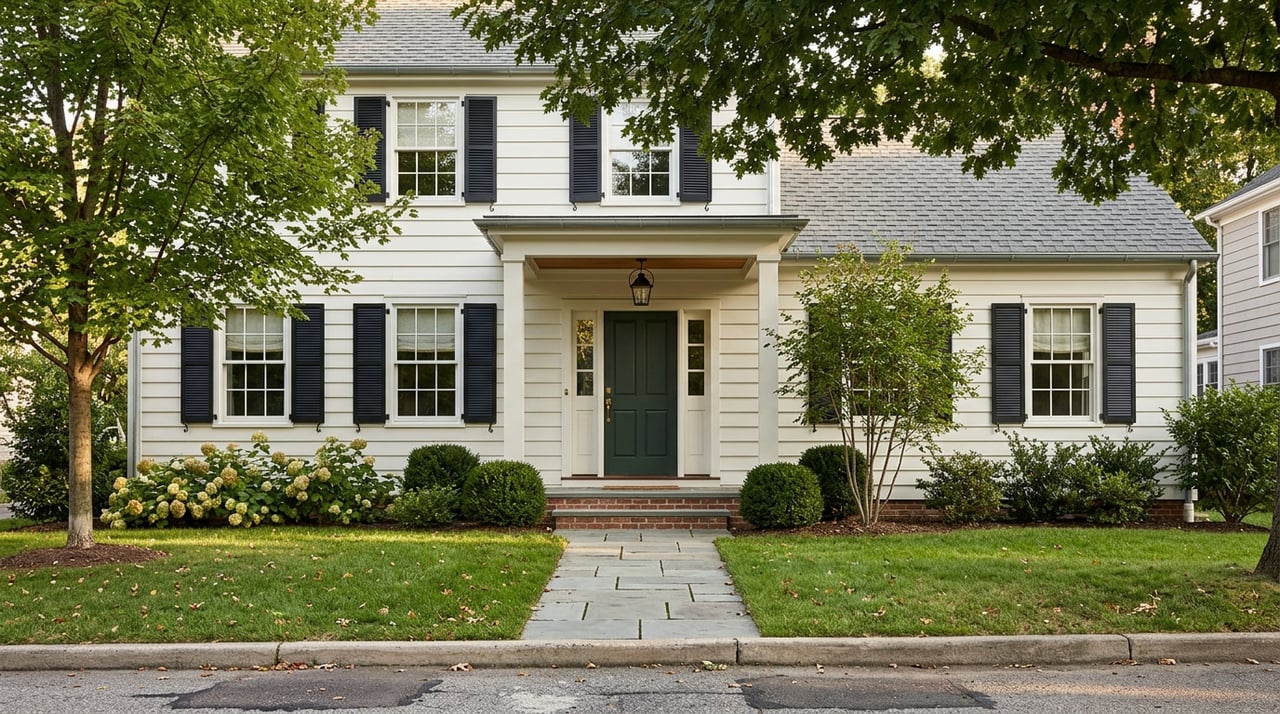
Cornwall NY Neighborhoods Guide by Lifestyle and Home Style
April 23, 2026
April 23, 2026
If Cornwall feels hard to pin down, that is because it truly is not just one kind of place. In one part of town, you can find a tighter village setting near everyday services and the river. In another, you may be touring wooded hillside homes, older historic properties, or inland areas that make daily driving and rail access simpler. If you are trying to figure out where you fit and what home style makes sense for your lifestyle, this guide will help you understand the tradeoffs more clearly. Let’s dive in.
Cornwall sits on the west bank of the Hudson River, about 55 miles north of New York City and roughly five miles south of Newburgh. Its layout stretches from the river inland, with mountain terrain shaping the southern portion and routes like 9W, 32, 94, and 218 helping define how people move through town, according to the National Park Service historic resource study and the Orange County base map.
That geography matters when you start house hunting. Cornwall includes the village of Cornwall-on-Hudson within the town boundary, and the local zoning pattern ranges from agricultural and mountain conservation areas to suburban and mixed residential districts, as shown on the official Cornwall zoning map. In practical terms, that means your experience can change a lot from one pocket of Cornwall to the next.
If you want a more compact, small-town feel, the village core is usually the easiest place to start. Around Hudson Street, Idlewild Avenue, Academy Avenue, River Avenue, and Shore Road, you will find a concentration of local services and a more connected street pattern.
The village business directory shows everyday destinations on Hudson Street such as cafés, restaurants, medical services, the post office, and other businesses. For many buyers, this part of Cornwall stands out because it offers a setting where day-to-day errands and riverfront outings can feel a little more convenient.
If the Hudson River is the main draw, this pocket deserves special attention. Cornwall Landing was historically the area’s river landing, with boat docks and a brickyard before transportation patterns changed over time, according to the village history page.
Today, Donahue Memorial Park at 99 Shore Road anchors the riverfront side of the village, and the Cornwall Yacht Club also sits on Shore Road. For buyers, this is often the strongest fit if you care most about river access, water views, and a setting that feels a bit more destination-oriented.
Some of Cornwall’s most distinctive homes sit above the river on bluff and mountain settings. The village’s historic homes resources reference places such as Matthiessen Park, Deer Hill Road, and Mountain Road, including homes approached by winding roads with elevated Hudson views.
These areas often appeal to buyers who value privacy, trees, and topography. In this part of Cornwall, the setting can matter just as much as the house itself, especially when a property sits on higher ground or in a more wooded location.
On the inland side of Cornwall, the layout becomes more practical and route-oriented. The Orange County base map identifies areas and roads such as Route 94, Orrs Mills Road, Otterkill Road, Long Hill Road, Quaker Avenue, and Mineral Springs Road, while the same map also shows the Salisbury Mills-Cornwall station.
If your first question is how easily you can connect to major roads or rail service, this pocket may be worth a closer look. Compared with the riverfront and village core, these areas tend to be better framed around access and day-to-day logistics.
One of the most interesting things about Cornwall is that its homes reflect multiple eras, not one dominant period. According to Cornwall’s Natural Resources Inventory, the town has more houses and landmarks on the National Register of Historic Places than any other municipality in Orange County.
The National Park Service study breaks Cornwall’s housing story into early settlement homes, Federal dwellings, Greek Revival dwellings, Victorian dwellings, and summer-boarding-era residences. That layered history is a big reason Cornwall can feel visually rich and a little less predictable than a typical subdivision-based market.
Some of Cornwall’s oldest homes date back to early settlement patterns and the period when Federal and Greek Revival styles were more common. The National Park Service identifies Federal dwellings from about 1790 to 1845 and Greek Revival dwellings from about 1830 to 1850.
For you as a buyer, these homes may stand out for their traditional proportions and historic presence. They can also raise practical questions about updates, systems, windows, rooflines, and long-term maintenance, especially if the home has preserved older elements.
Victorian homes are among the most recognizable properties in Cornwall. The National Park Service survey notes styles including Queen Anne, Gothic Revival, Stick Style, Victorian Gothic, Italianate, and Second Empire, while the village historic homes page highlights examples such as the 1865 mansard-style Ephraim Thompson House and the J. Dunn House with detailed gingerbread trim.
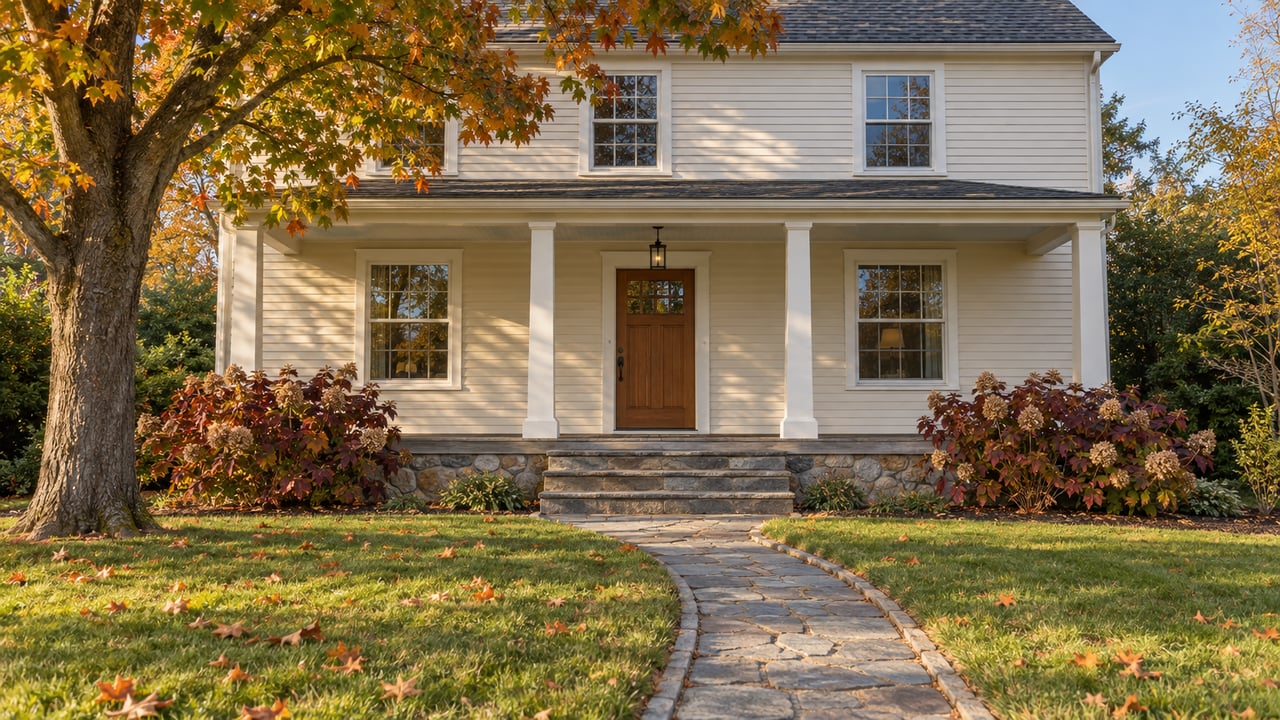
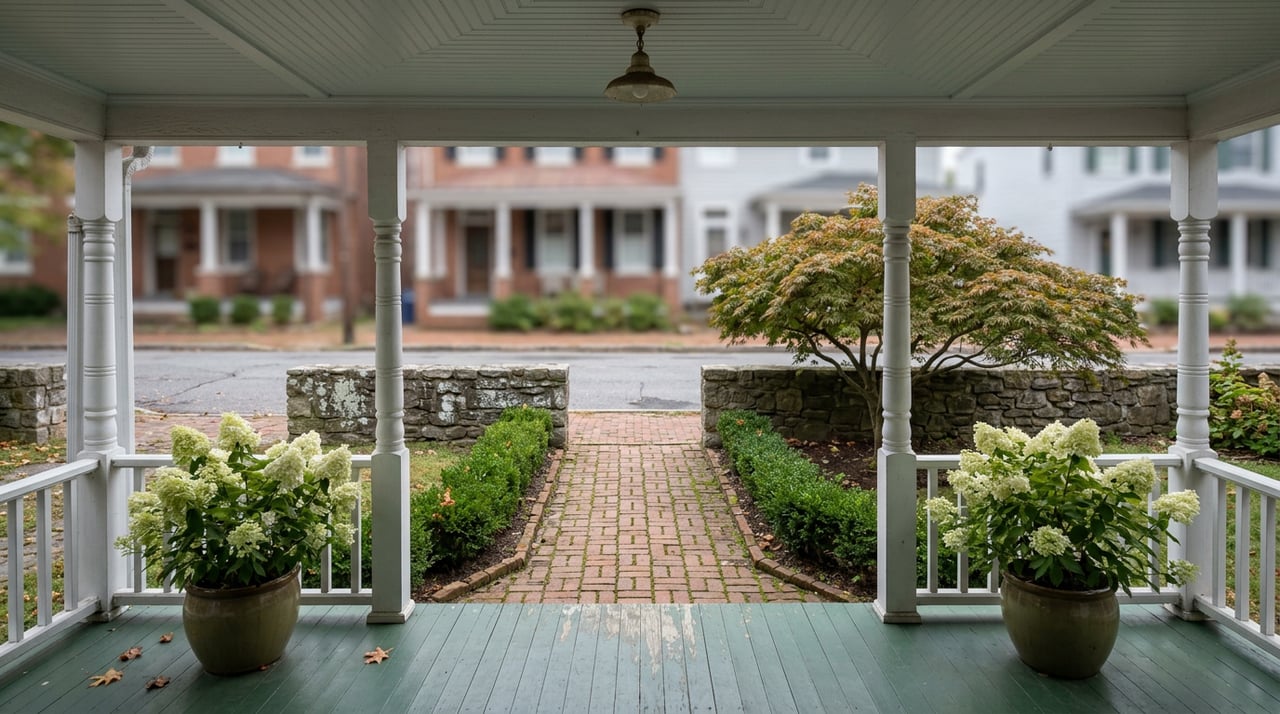
When you tour Victorian homes, you may notice porches, decorative trim, asymmetrical facades, and more ornamental details. These features can create strong curb appeal and character, but they may also come with more maintenance than a simpler home style.
Another layer of Cornwall housing came from the summer-boarding and estate era. The National Park Service study notes that N.P. Willis’s Idlewild helped encourage suburban residences, and the village history page describes Matthiessen Park as the first housing development in the village, with cottages and larger homes on Pine and Spruce Streets.
Those homes were notable for features such as balconies, fireplaces, hardwood floors, and modern plumbing and heating for the time. Today, that history helps explain why some streets in Cornwall feel more like a country-place setting than a standard neighborhood layout.
In Cornwall, style often tells you something about lifestyle and upkeep as much as architecture. Older village and colonial-road homes may offer historic character and established settings. Victorian homes may bring visual detail and porch appeal. Hillside and estate-area homes may emphasize privacy, siting, and views.
That is why it helps to look beyond square footage. A smaller home in the right setting may fit your goals better than a larger one in a location that does not support your daily routine.
A simple way to compare Cornwall is to think in terms of tradeoffs. Based on the town’s geography, road network, riverfront pattern, and historic development, each area tends to offer a different mix of convenience, scenery, privacy, and access.
| Cornwall pocket | What buyers often prioritize |
|---|---|
| Village core | Convenience, connected streets, nearby services |
| Riverfront | Views, river access, scenic setting |
| Hillside areas | Privacy, trees, elevation |
| Inland corridors | Road access, rail access, practical commuting |
This framework can be especially useful in a market where pricing can vary by sub-area and property type. As of March and April 2026, reported market snapshots place Cornwall broadly in the low-to-mid $500,000s, with Zillow reporting an average home value of $527,290, while other market trackers cited in the research use different methods and timelines.
When you walk through homes in Cornwall, the most useful questions are often about the setting and the property’s history. That is especially true in a market where topography, age, and location can shape day-to-day living as much as the home itself.
Here are a few smart questions to keep in mind:
The best Cornwall neighborhood for you depends less on a single “best area” and more on how you want to live. You may want the rhythm of the village core, the scenery of the riverfront, the privacy of the hills, or the practicality of the inland side. Once you understand those differences, your home search usually gets much clearer.
If you want help narrowing down Cornwall by lifestyle, home style, and day-to-day fit, The Live Upstate Team can help you make sense of the options and move forward with confidence.
Stay up to date on the latest real estate trends.
When you work with our team, you gain strategic marketing, skilled negotiation, and dedicated support from listing to closing. We’re committed to delivering a smooth, successful experience tailored to your goals.