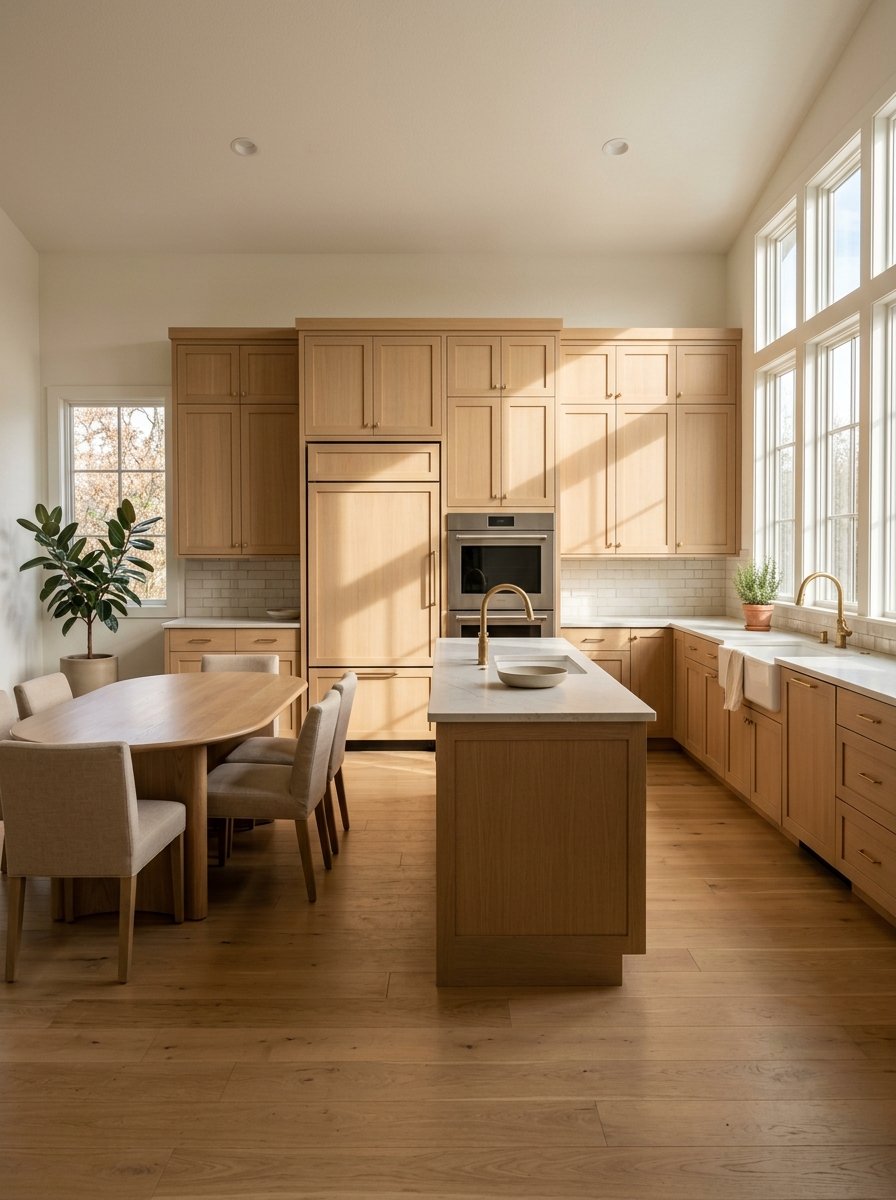
Selling a Home in Cornwall: A Step-by-Step Guide
May 7, 2026
May 7, 2026
If you are thinking about selling your Cornwall home, you are probably asking the same big questions most owners do: What should I fix, how should I price it, and how do I avoid leaving money on the table? In a market with limited inventory and mixed public data, guessing can cost you time and leverage. This step-by-step plan will help you understand how to prepare, price, market, and close your sale with more confidence. Let’s dive in.
Before you paint a wall or book photos, it helps to know what kind of market you are stepping into. Recent public snapshots of Cornwall do not all say the exact same thing, which is important for sellers to understand.
One source described Cornwall as a seller's market, while another called it somewhat competitive. Recent reports also showed different timing and pricing trends, with homes selling around asking in one snapshot and about 3% below list in another. Zillow reported just 16 homes for sale as of March 31, 2026, which points to limited inventory.
The bigger takeaway is simple: Cornwall is not a one-size-fits-all market. Your pricing and prep strategy should be built around very current local comparable sales, your home's condition, and how similar homes are actually performing right now.
In the broader Hudson Valley, Orange County's median sale price reached $450,000 in 2025, and regional inventory remained far below its pre-pandemic baseline. Even so, late fall and early winter are usually slower seasons because weather can make house shopping harder. That means timing still matters, even in a lower-inventory market.
Pricing is one of the first and most important decisions you will make. It is also where many sellers go wrong by relying too heavily on broad online estimates or countywide averages.
Recent Cornwall data shows why a fresh comparative market analysis matters. Public reports showed an average home value of $527,290, a median sale price of $591,500, and a median listing price of $575,000. That spread is too wide to use as a simple pricing shortcut.
A smart list price should account for:
If your home is priced too high, days on market can stretch. If it is priced carefully from the start, you are more likely to attract serious buyers early and create better momentum.
You do not need to overhaul everything before you sell. In many cases, the best return comes from simple, visible improvements that help buyers connect with the home quickly.
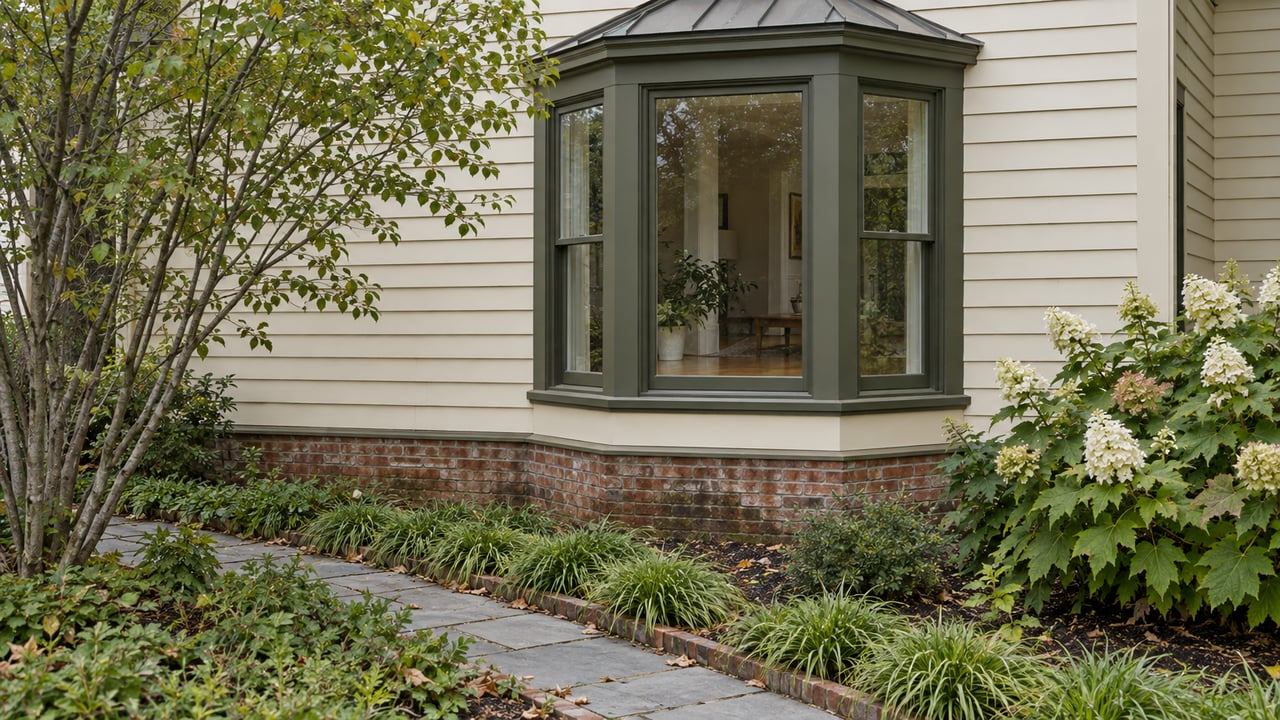
A practical pre-listing plan usually starts with decluttering, deep cleaning, and curb appeal. According to 2025 staging research, these were among the most common recommendations from agents, and staging often helped buyers visualize the property more easily.
If you are deciding where to spend time and money, start here:
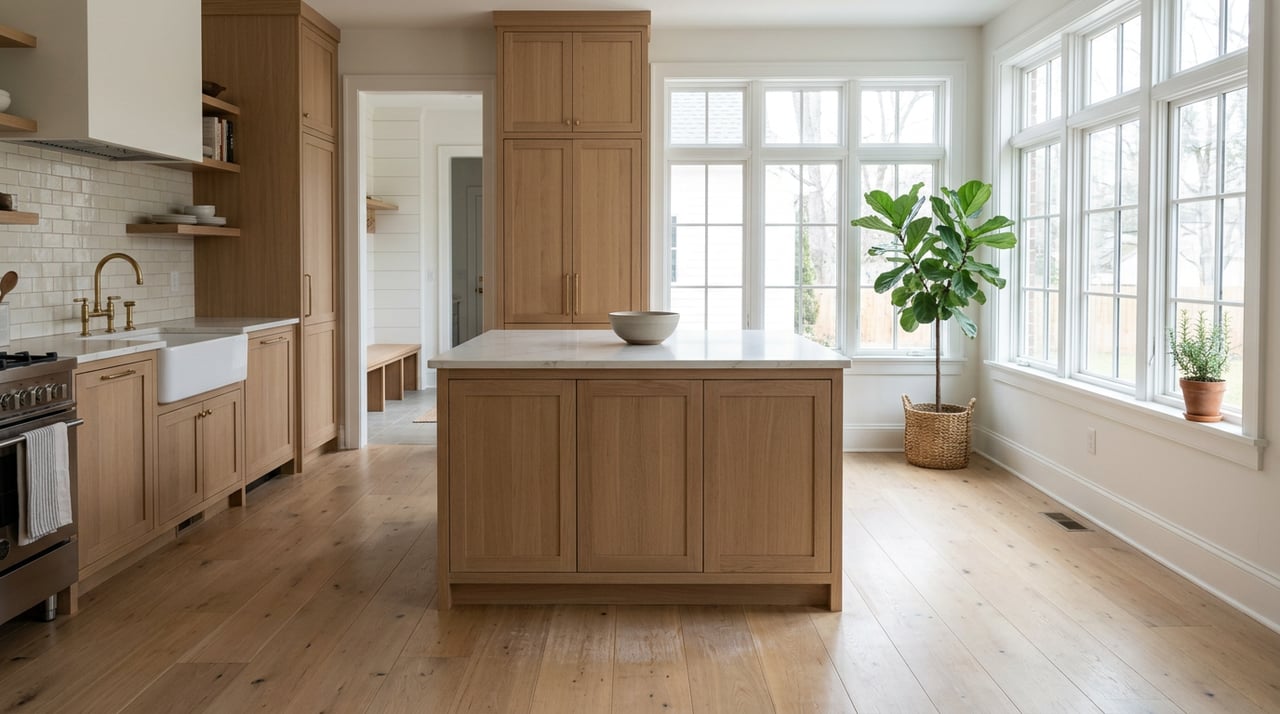
If you choose selective staging, the rooms with the strongest impact are usually the living room, primary bedroom, and kitchen. The same research found that staging can reduce time on market, and some sellers' agents reported an increase in the dollar value offered.
In New York, seller disclosures are a key part of the process for most one- to four-family residential properties. Under the Property Condition Disclosure Act, the seller must complete and sign the disclosure statement and deliver it to the buyer or the buyer's agent before the buyer signs a binding contract of sale.
For many Cornwall sellers, this means it is wise to gather your information early rather than scramble later. You should answer based on your actual knowledge and use NA or UNKN when appropriate.
It is especially helpful to collect information related to:
The disclosure is not a warranty, and it does not replace inspections or public-record review. New York law also allows as-is sales. If you learn something new that makes a prior answer materially inaccurate, you must provide a revised disclosure as soon as practicable before title transfer or occupancy, whichever comes first.
Most buyers will meet your home online before they ever step inside. That is why photography and digital presentation should be treated as part of your selling strategy, not an afterthought.
The best launch plan is usually to finish repairs, decluttering, and cleaning before photos are taken. That way, your listing goes live with the strongest possible first impression.
Recent staging research found that photos, videos, and virtual tours are highly important to buyers' agents. In a market like Cornwall, where buyers may compare a small number of available homes closely, your online presentation can shape whether they book a showing at all.
Before your listing goes live, aim to have:
Once your home hits the market, the early response matters. You want buyers to be able to see the property easily and picture themselves there without extra friction.
That means keeping the home clean, organized, and ready for short-notice showings whenever possible. In the Hudson Valley, seasonality and weather can affect traffic, so accessibility becomes even more important during slower periods.
A strong launch is not just about listing the home. It is about making sure the home is easy to experience, both online and in person, during the first days and weeks on the market.
Even with low inventory, the market will tell you a lot in the first wave of showings. If buyers are coming through but not making offers, or if feedback keeps pointing to price or presentation, it may be time to reassess.
This is where local strategy matters. A home can still attract interest in Cornwall, but if pricing is off or the presentation feels weaker than competing listings, time on market can grow.
Pay attention to:
The goal is not to panic. The goal is to respond early, while your listing still feels fresh to the market.
When an offer comes in, the process in New York often looks different from what you may hear about in other states. Real estate transactions here are typically attorney-driven.
The New York State Bar Association notes that in upstate areas, a real estate agent often prepares the offer or contract subject to attorney approval. Attorneys then help resolve important details such as closing dates, inspection issues, personal property questions, and tax consequences.
For you as a seller, this means an accepted offer is a major milestone, but it is not the only step. Good coordination between your agent and attorney helps keep the deal moving in the right direction.
Selling your home comes with costs beyond your mortgage payoff. One of the main seller costs in New York is the state real estate transfer tax.
The state transfer tax is $2 for each $500 of consideration, which equals 0.4%, and the seller is generally responsible for it. For conveyances outside New York City, the TP-584 return is filed with the county clerk where the property is located and must be paid no later than the 15th day after deed delivery.
If the sale price is $1 million or more, the 1% mansion tax applies, but that tax is paid by the buyer. In Orange County, local recording requirements also matter. The county lists forms such as RP-5217 and TP-584, and it includes a $125 RP-5217 filing fee for residential single-family or agricultural property, along with deed recording fees and related charges.
Selling a home is never just one decision. It is a series of decisions that build on each other, from prep and pricing to showings, negotiations, attorney review, and closing.
In Cornwall, that process works best when it is grounded in current local comps, realistic prep choices, and close coordination from listing through closing. A local team can help you avoid generic pricing, focus on the updates that matter most, and keep the transaction organized when details start moving quickly.
That kind of support can make the process feel clearer and far less stressful. If you are thinking about selling in Cornwall, The Live Upstate Team can help you build a smart plan around your home, your timing, and your next move.
Stay up to date on the latest real estate trends.


When you work with our team, you gain strategic marketing, skilled negotiation, and dedicated support from listing to closing. We’re committed to delivering a smooth, successful experience tailored to your goals.