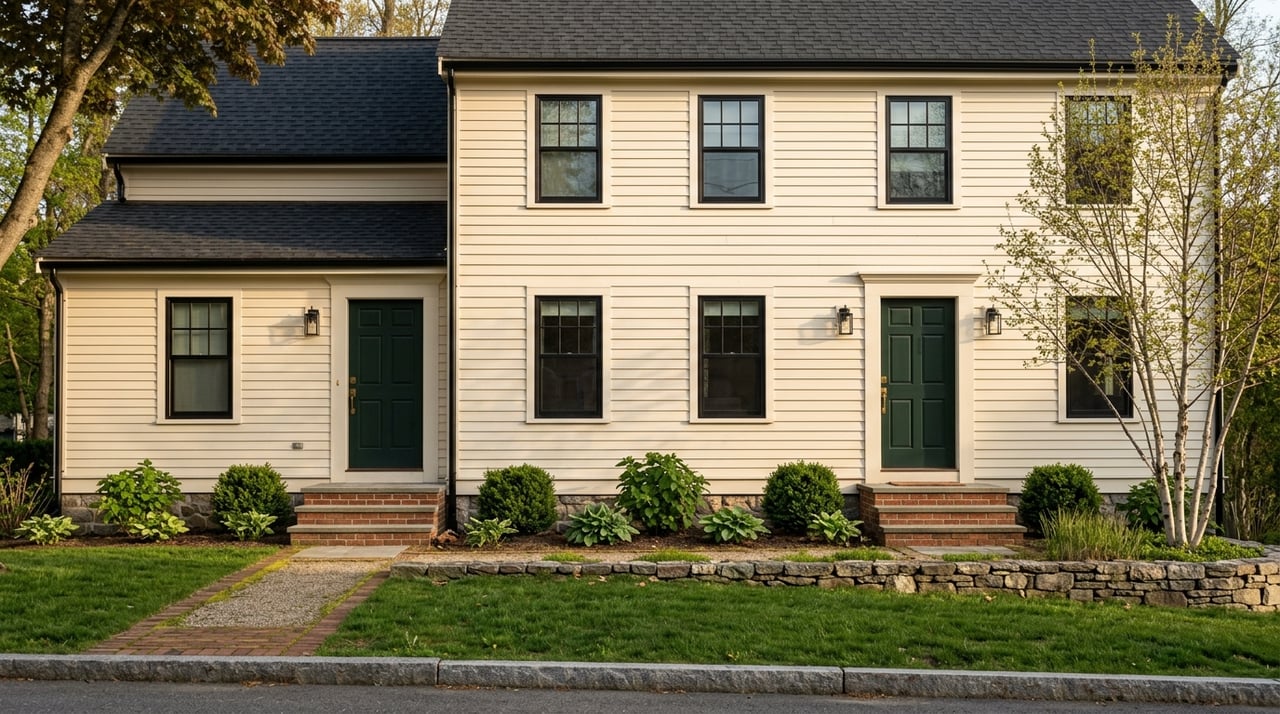
Is a Cornwall NY Investment Property Right for You?
May 14, 2026
May 14, 2026
If you have been eyeing Cornwall for a weekend escape, a future retirement plan, or a property that could help generate income, you are not alone. This Hudson Valley market offers a mix of scenic appeal, proximity to the New York City metro area, and housing demand that catches the attention of both lifestyle buyers and investors. The key is knowing where the opportunity is, where the limits are, and how to run the numbers with a clear head. Let’s dive in.
Cornwall has a strong lifestyle story, and that matters when you are considering a second home. Town materials highlight Hudson River-adjacent scenery, Moodna Creek, the Hudson Highlands, open space, parks, walkability, and natural resources. For many buyers, that mix supports the kind of property they can enjoy now and still feel good about holding long term.
Location also adds to the appeal. Cornwall’s comprehensive plan notes that the town is about 60 minutes from the New York City metropolitan area and cites an average commute time of 33 minutes. If you want a place that feels like a change of pace without feeling cut off, that balance is part of the draw.
There is also a strong sense of seasonality in Cornwall. Official planning materials mention annual July 4th festivities, the Fall Festival, RiverFest in Cornwall-on-Hudson, and other recurring events. That kind of local rhythm can make a second home feel more connected to place, not just like a property you visit a few times a year.
Cornwall is a smaller, higher-priced market, so pricing can look a little different depending on the source you are reviewing. Redfin reported a median sale price of $592,000 in March 2026, up 8.8% year over year, with homes taking about 50 days to sell. Zillow’s home value index for Cornwall was $527,290 as of March 31, 2026, up 3.5% year over year.
Current listing data points higher. Realtor.com shows a median listing price near $699,000 and a median 51 days on market. Redfin describes Cornwall as a somewhat competitive market, which suggests you may still have room to negotiate in some cases, but well-positioned homes can attract attention quickly.
For buyers, this means you should avoid relying on just one number. Sale price, estimated value, and asking price each tell a different story. A smart purchase decision comes from comparing recent sold data, current inventory, property condition, and your intended use of the home.
If your goal is income, Cornwall can work, but the strategy matters. Based on the local rules and the available rent data, Cornwall looks more favorable for a lifestyle-first second home or a traditional long-term rental than for an unrestricted short-term rental play.
That distinction is important because the town has specific short-term rental rules. A short-term rental is defined as a rental of less than 30 days, and the town allows this use only in single-family dwellings that are owner-occupied. The property owner must maintain a domicile there, which makes the local short-term rental model much less favorable for absentee investors.
Before you count on Airbnb-style income, you need to understand the local framework. In Cornwall, short-term rentals require owner occupancy, town registration, and compliance with permit and inspection rules.
Here are some of the key points from the town code:
If you are considering a property in the Village of Cornwall-on-Hudson, pause before making assumptions. The village handles its own short-term rental applications and renewals, and the village board passed its own short-term rental law in 2021. That means you need to verify village-specific rules separately.
Zoning is only part of the picture. New York State says operators and booking services generally must collect state and local sales tax on short-term rental occupancy when the rental rate is more than $2 per day. Cornwall’s town clerk also lists short-term rental hotel tax forms, which is a reminder that local filing and occupancy tax requirements should be part of your due diligence before you project revenue.
For buyers, the takeaway is simple. If the income plan depends on short-term rentals, you need to confirm the exact local rules, permit path, and tax obligations before you buy. It is much better to underwrite cautiously than to discover limits after closing.
If you are thinking more about a traditional rental, the data suggests there is demand, but not a guaranteed cash-flow story. Realtor.com shows a median rent of about $2,450, while Zillow’s rental summary shows an average rent of $2,900, only 7 available rentals, and a rent range from $1,740 to $7,750.
Because these sources use different methods, it is better to think in terms of a rough rent band than a single exact figure. The market appears tight, but that does not automatically mean every purchase will perform well. Taxes, insurance, vacancy, maintenance, and financing can change the picture quickly.
This is where a finance-minded approach helps. You want to test your numbers with conservative assumptions, not best-case ones. In Cornwall, the rental story may be strongest for buyers who value a property’s personal use and long-term hold potential alongside income.
In a market like Cornwall, carrying costs deserve close attention. ATTOM reports an effective 2025 property tax rate of 2.65% for Cornwall 12518, and the town’s comprehensive plan notes that school district taxes are the largest share of a typical local tax bill.
That means tax district assignment is not a minor detail. It can directly affect affordability and long-term returns. If you are comparing two similar properties, the annual tax burden could make one a much better fit than the other.
Utilities also matter. The town sewer department maintains sewer mains, treats sewage from those mains, and handles septic system approvals and main-line hookups. Before you buy, confirm whether the property uses town sewer or septic, and make sure the condition of the system matches your budget.
Cornwall’s housing stock can add charm, but it can also add risk if you skip due diligence. ATTOM reports that the average single-family home in Cornwall 12518 is about 60 years old and averages 2,004 square feet.
With older homes, inspection quality matters even more. You will want a close look at the roof, mechanical systems, structural issues, drainage, and any signs of deferred maintenance. A home that looks appealing on day one can become much more expensive if the big-ticket systems are near the end of their life.
This does not mean older homes are a bad buy. It simply means your offer strategy and renovation budget should reflect the reality of the property, not just the listing photos.
Flood review is especially important in Cornwall because it is a river town. The town’s emergency management pages state that Cornwall is subject to flooding hazards and that standard homeowners insurance does not cover flooding. The town’s natural resource materials identify significant floodplain areas along Moodna Creek, Woodbury Creek, the Hudson River shoreline, and smaller streams.
If a property is near the water or near a stream corridor, do not treat flood risk as an afterthought. Confirm the flood zone status and estimate flood insurance costs before making an offer. For second-home buyers and investors, that cost can materially change your monthly carrying expense.
Cornwall can make a lot of sense if you are buying with both lifestyle and long-term value in mind. The area offers scenic appeal, seasonal energy, and access to the broader metro region, which can support enjoyment, resale appeal, and selective rental demand.
It may be a less natural fit if your plan depends on hands-off short-term rental income from an absentee-owned property. Local rules clearly place guardrails around that model. In most cases, the strongest Cornwall strategy is either a true second home with occasional compliant rental use, or a traditional long-term rental purchased with realistic assumptions.
The good news is that you do not have to sort through those tradeoffs alone. A local team can help you compare property types, review carrying costs, and understand how the town’s rules may affect your options before you commit.
If you are weighing a second home or investment property in Cornwall, working with a local team can help you look beyond the listing and focus on the full picture. The Live Upstate Team brings Hudson Valley insight, responsive guidance, and a practical approach that can help you move forward with more clarity and confidence.
Stay up to date on the latest real estate trends.


When you work with our team, you gain strategic marketing, skilled negotiation, and dedicated support from listing to closing. We’re committed to delivering a smooth, successful experience tailored to your goals.